 by
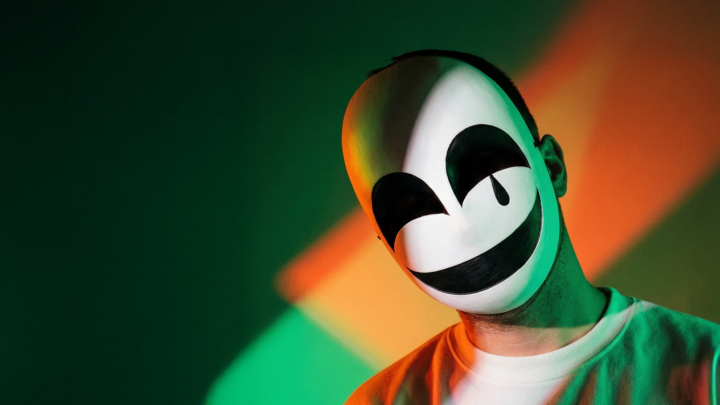
by In an era where the “Spotify model” has come under fire for creating a disconnect between artist and listener, Parisian producer Play House is spearheading a decentralized alternative. By moving the core of his catalog into open-access repositories like FMA, Pixabay and Jamendo, the producer is prioritizing “active utility” over the passive metrics of traditional streaming platforms.
The Philosophy of Accessibility: His approach is rooted in a “Music for Everyone” philosophy, aimed specifically at supporting creators; startups, influencers, and independent filmmakers; who require high-quality audio without the legal complexities of traditional licensing. With over 100,000 downloads and 1,000,000 views on platforms like FMA, Pixabay and Jamendo, the data suggests a massive demand for this “Utility-First” model.
For Play House, the value of 1,000 creators actively integrating his music into their work far outweighs a million passive streams. This “Open-Source” mindset acts as a direct challenge to the “music industry slave” dynamic, allowing the artist to remain entirely independent while fueling the global creator economy.
The Open-Access Music Model: His philosophy is to make music a shared resource rather than a locked commodity. By providing his catalog for free download, he has removed the financial and legal barriers that often prevent students, individuals facing socio-economic barriers or financially underserved communities from enjoying or using high-quality audio.
The Content ID Conflict: However, the path to a fully decentralized library hasn’t been without friction. Play House recently highlighted a growing trend of “Digital Piracy 2.0,” where bad actors redistribute his open-access tracks under new titles to claim YouTube Content ID ownership.
This exploitation has forced the independent producer into a defensive position. Despite his pro-remix stance, Play House has had to implement formal registration for his works to prevent “theft-by-rebranding”. The current system forces independent artists to use the very gatekeeping tools they try to avoid, simply to protect the work from being stolen and claimed by others.
This move is to protect his open-distribution model, Play House utilizes Content ID to preempt third-party exploitation. This ensures that the original recordings remain accessible to the public and are not ‘stolen’ through fraudulent registration. While the producer remains a vocal advocate for collaborative remix culture, he maintains a strict stance against the unauthorized redistribution of his unedited works, viewing such ‘rebranding’ as a form of digital theft that undermines the integrity of the independent creator economy.
A Model for 2026: As the 2026 MUSIC album nears release, Play House continues to balance this “Dual-Model” strategy: professional chart-topping success on Beatport (where “Carnaval Song” hit #9) alongside a massive, free-to-use digital archive. It is a blueprint for the modern producer; one who views music not as a locked commodity, but as a universal, open-source resource.